Odoo ERP implementation · Egypt & MENA

Odoo ERP, built around your business.

We design and implement Odoo ERP for companies in Egypt and MENA, connecting sales, purchasing, inventory, accounting and the workflows your team uses every day.

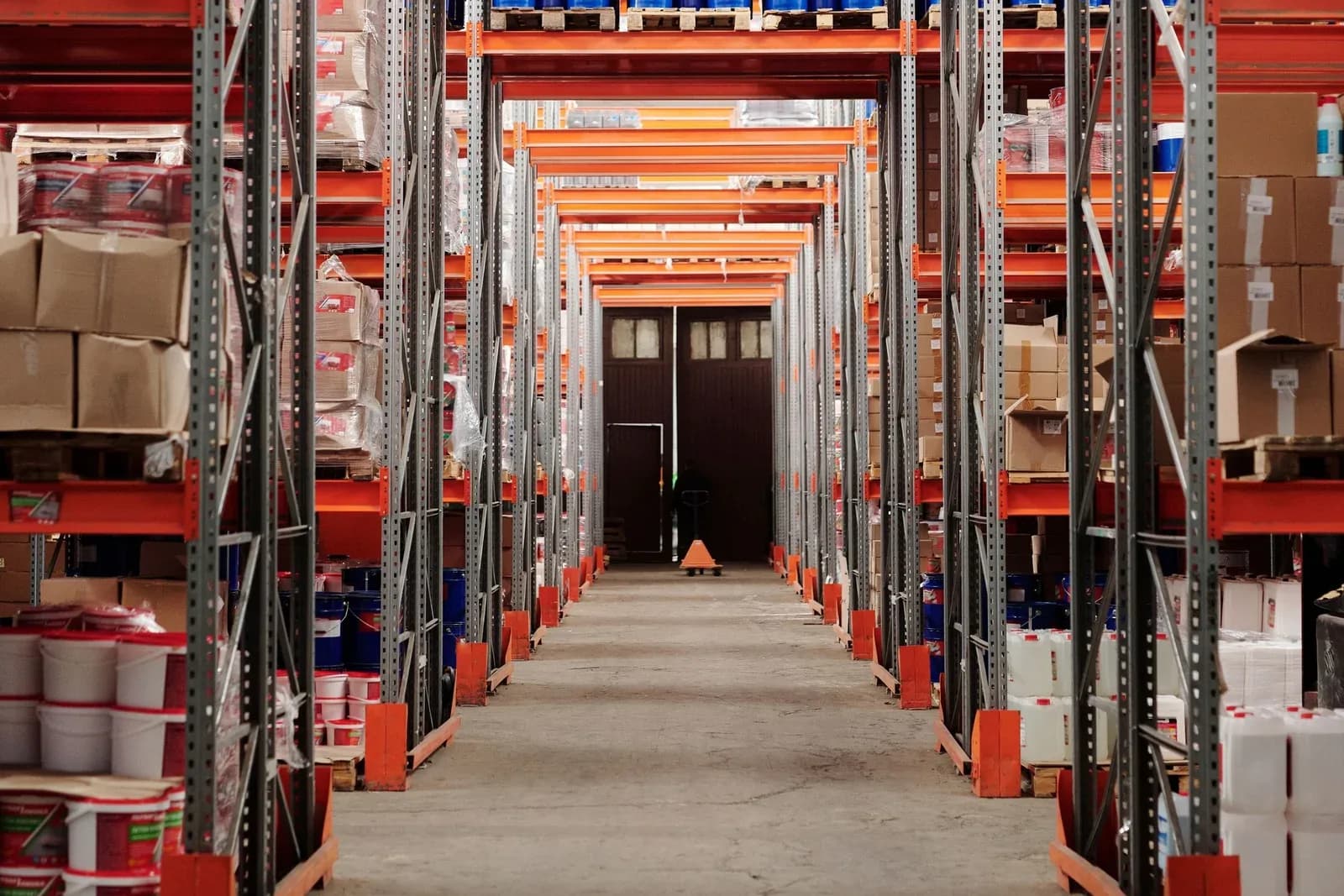
Organized warehouse shelving, stock and pallets

When this is the right fit

Does this sound familiar?

01Sales, purchasing, inventory, and finance live in disconnected tools.

02Teams repeat data entry and reconcile reports by hand.

03Approvals and exceptions depend on informal workarounds.

04A new entity, location, or market is stretching the current setup.

Full Odoo capability

Everything required to make Odoo the operating core.

We cover the complete ERP lifecycle: business design, implementation, integration, adoption, and continuous improvement. You can engage us for a focused module or an end-to-end transformation.

01

Advisory and process design

Make the operating decisions before configuration begins.

ERP strategy and readiness

Assess process maturity, data quality, ownership, risk, and the business case for moving to Odoo.

Process discovery and gap analysis

Map current workflows, exceptions, controls, and pain points, then distinguish configuration needs from genuine gaps.

Solution architecture and roadmap

Define the right applications, delivery phases, integrations, responsibilities, and measurable outcomes.

02

Implementation and customization

Configure a maintainable system around how the business operates.

Application configuration

Set up CRM, sales, purchasing, inventory, accounting, manufacturing, projects, HR, service, and other relevant Odoo applications.

Custom modules and workflows

Build only the extensions the business truly needs, with clear rules, approvals, permissions, and upgrade-aware code.

Multi-company and regional design

Structure entities, currencies, languages, fiscal localizations, and intercompany flows for Egypt and regional growth.

03

Data, integration, and insight

Connect Odoo to the information and systems that keep work moving.

Data migration and master data

Clean, map, deduplicate, test, and reconcile customer, product, supplier, financial, and historical records.

APIs and system integrations

Connect payment, shipping, e-commerce, banking, government, legacy, custom, and third-party platforms.

Reports, dashboards, and documents

Create decision-ready reporting, role-based dashboards, KPIs, invoices, quotations, and operational documents.

04

Adoption and managed evolution

Turn a configured platform into a system people use and improve.

Testing, cutover, and go-live

Run acceptance testing, rehearse migration, plan the transition, and support teams through launch.

Training and change enablement

Deliver role-based Arabic and English training, practical guides, and support for process owners and users.

Support, optimization, and upgrades

Resolve issues, monitor adoption, improve workflows, and keep custom work compatible with future Odoo releases.

What we deliver

What your team will have in place.

Operating blueprint

A practical map of workflows, roles, approvals, data, and reporting before configuration begins.

Application design

The right Odoo apps, configurations, and access rules arranged around the work, not the software menu.

Data and integrations

Structured migration, validation, and connections to the tools that must remain part of the operation.

Adoption and go-live

Real-user testing, role-based training, launch support, and a prioritized path for improvement.

Where this creates value

Practical use cases tied to the way your business operates.

01

Order-to-cash across sales, stock, and finance

Business context

Quotations, availability, delivery, invoicing, and collections are managed in separate files or systems.

What we can implement

Configure a connected Odoo flow with pricing rules, stock visibility, approval controls, delivery status, invoicing, and receivables reporting.

Business benefit

Fewer handoff errors, faster order visibility, and one traceable commercial record from lead to collection.

02

Manufacturing and material planning

Business context

Production teams struggle to align demand, bills of materials, procurement, capacity, quality, and actual cost.

What we can implement

Design manufacturing, inventory, purchasing, maintenance, and quality workflows around real production rules and exceptions.

Business benefit

Better material readiness, clearer work-in-progress, and a stronger view of cost and delivery risk.

03

Multi-company and regional operations

Business context

New entities, branches, currencies, tax rules, and approval chains make consolidation increasingly manual.

What we can implement

Structure companies, access, intercompany flows, local configurations, shared master data, and consolidated reporting for controlled growth.

Business benefit

A scalable operating core with local control and group-level visibility.

How we stay ahead

Modern ERP without unnecessary complexity.

Our advantage is not adding more customization. It is knowing where process design, standard Odoo, integration, automation, and custom engineering each create the most value.

01

Business-first architecture

We design around decisions, controls, and handoffs instead of an application menu, so the system improves the operation rather than digitizing old friction.

02

Upgrade-aware engineering

Extensions stay modular, documented, tested, and as close to the standard platform as practical, reducing long-term ownership cost.

03

Regional adoption by design

Arabic, English, right-to-left interfaces, local operating realities, and multi-entity growth are addressed early instead of patched in after launch.

04

One connected delivery team

The same team can connect Odoo with AI workflows, custom portals, websites, mobile experiences, and the systems already running your business.

How the engagement works

Decisions stay close to the work.

Representative scenario

Illustrative example, not a published client claim.

A regional distributor replacing operational patchwork

Situation

Purchasing, stock, sales, and finance are spread across spreadsheets and separate systems. Managers spend more time reconciling information than acting on it.

Designed system

A phased Odoo rollout connects the order-to-cash and procure-to-pay flows first, then introduces role-based reporting, approvals, and carefully scoped integrations.

Potential value

Teams work from the same records, exceptions become visible, and leadership gets a cleaner view of movement across the business.

Explore more representative work

What you leave with

Useful change your team can own.

A shared source of operational truth

Traceable approvals and exceptions

Reporting tied to live work

A core that can grow across teams and markets

Questions worth asking

Before we start.

Do we need to replace every existing tool?

No. We first decide what belongs in Odoo, what should integrate, and what can remain unchanged. The goal is a coherent operation, not replacement for its own sake.

Can you migrate our existing data?

Yes. We define what should move, clean and map it, test the migration, and validate it with the people who understand the records.

Can the system support Arabic and English users?

Yes. We can design workflows, interfaces, reports, and training around Arabic and English teams, including right-to-left requirements where relevant.

How long does an implementation take?

That depends on process breadth, data quality, integrations, and the rollout model. Discovery ends with a phased scope and delivery plan that your team can evaluate.

A useful first conversation

Tell us what needs to change.

We will help frame the problem, test the fit, and identify the most useful next move.

Discuss your project