Cybersecurity services · Egypt & MENA

Cybersecurity that protects your business.

We provide cybersecurity services for businesses in Egypt and MENA, covering risk assessments, identity controls, data protection, vulnerability management and incident readiness.

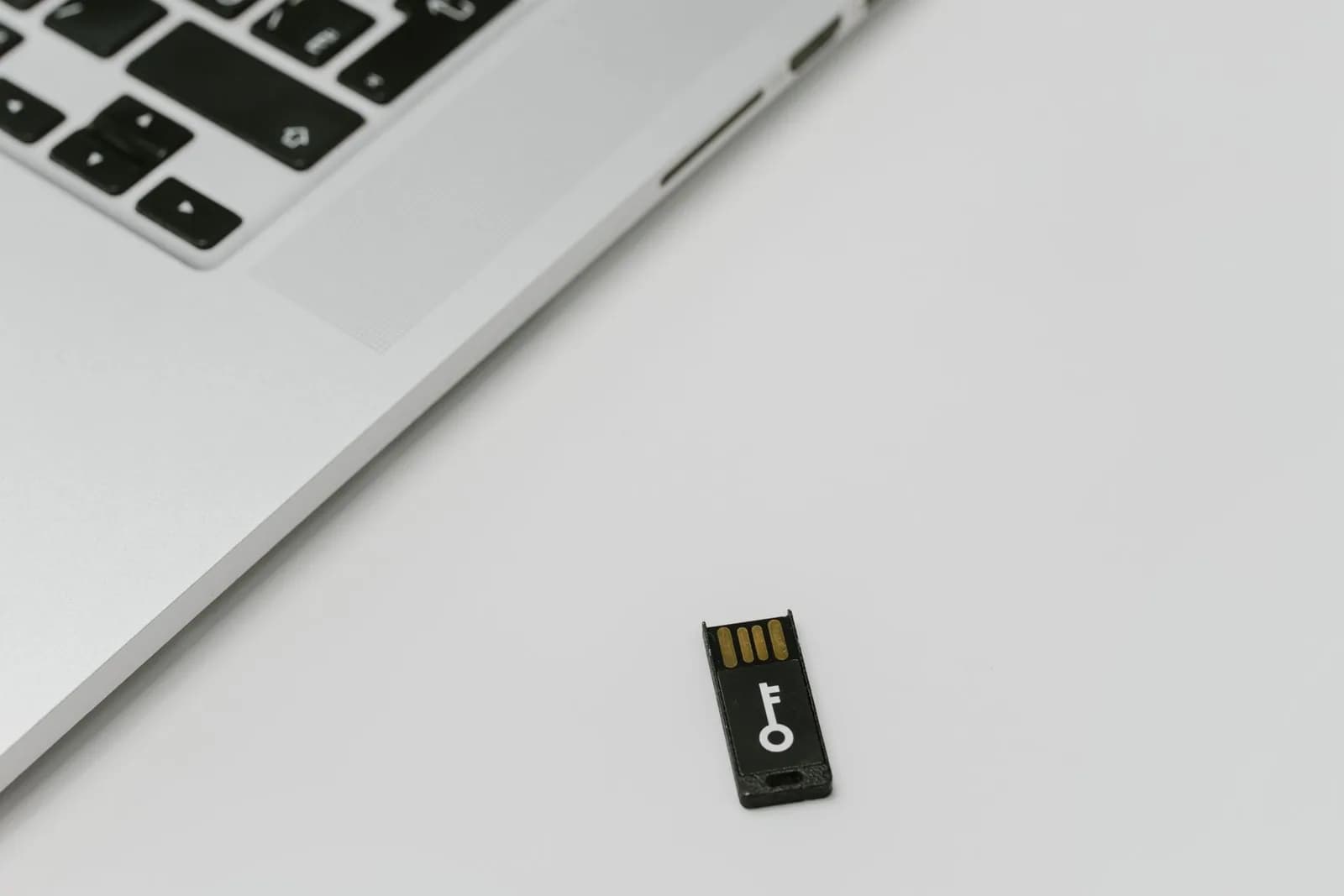
A USB device marked with a key symbol beside a laptop

When this is the right fit

Does this sound familiar?

01Customer, tender, investor, or regulatory reviews require stronger security evidence.

02Access, sensitive data, cloud services, endpoints, or suppliers have grown without consistent governance.

03Vulnerabilities and alerts exist, but priorities and ownership remain unclear.

04Incident response and recovery plans have not been exercised against a realistic scenario.

Cybersecurity and compliance services

Risk-based protection for the systems the business depends on.

We strengthen governance, identity, infrastructure, applications, data, suppliers, and incident readiness without turning security into an obstacle to delivery.

01

Risk, governance, and compliance

Translate exposure into an owned improvement programme.

Security risk assessment

We identify critical assets, threats, vulnerabilities, business impact, current controls, and prioritized treatment actions.

Policies and security governance

We define accountable roles, practical policies, exception management, metrics, and executive reporting that teams can operate.

Compliance readiness

We map controls and evidence for relevant requirements such as ISO 27001, privacy obligations, customer reviews, and sector expectations.

02

Identity, data, and technology controls

Reduce the routes attackers and mistakes can exploit.

Identity and access management

Role design, multifactor authentication, privileged access, joiner-mover-leaver controls, and periodic reviews limit unnecessary access.

Infrastructure and application security

Secure configuration, segmentation, patching, vulnerability management, code and dependency review, and cloud controls strengthen technology.

Data protection and resilience

Classification, encryption, retention, backup, recovery testing, and leakage controls protect sensitive information and continuity.

03

Detection and incident readiness

Know what happened, contain it, and recover with discipline.

Logging and security monitoring

We define useful signals, alert ownership, escalation, and response workflows across endpoints, identities, cloud, and critical applications.

Incident response and exercises

Playbooks, contact trees, evidence handling, communications, and tabletop exercises prepare teams before a crisis.

Awareness and third-party risk

Role-based training, phishing resilience, supplier due diligence, contract controls, and review cycles address the human and ecosystem layers.

What we deliver

What your team will have in place.

Risk and control baseline

Critical assets, threat scenarios, vulnerabilities, business impact, current maturity, owners, and a prioritized treatment plan.

Security governance

Usable policies, decision rights, exceptions, risk acceptance, measures, third-party oversight, and executive reporting.

Technical and operational controls

Identity, devices, networks, cloud, applications, data, backup, monitoring, vulnerability, and secure delivery improvements.

Incident and compliance readiness

Playbooks, exercises, evidence structure, awareness, corrective actions, and support for relevant assurance requirements.

Where this creates value

Practical use cases tied to the way your business operates.

01

Cyber risk baseline and security roadmap

Business context

Leadership lacks a prioritized view of material threats, control gaps, ownership, and the investment required.

What we can implement

Assess business exposure, critical assets, identities, suppliers, architecture, and incident readiness, then build a risk-ranked roadmap.

Business benefit

Security investment follows business risk, with clear owners and an achievable improvement sequence.

02

Identity, cloud, and data protection

Business context

Rapid cloud adoption and remote work have expanded access without consistent privilege, configuration, or data controls.

What we can implement

Strengthen identity lifecycle, multifactor access, privileged roles, cloud posture, data classification, logging, and recovery controls.

Business benefit

Reduced exposure to common attack paths without making everyday access unnecessarily difficult.

03

Incident and ransomware readiness

Business context

Plans exist on paper but teams have not tested how they would detect, contain, communicate, recover, and make decisions under pressure.

What we can implement

Develop playbooks, response roles, technical evidence paths, backup validation, communication protocols, and scenario exercises.

Business benefit

Faster coordinated response and greater confidence that critical operations can recover.

How security supports growth

Control the risks that matter without creating friction everywhere.

A proportionate programme protects critical services and customer trust while giving delivery teams clear, usable guardrails.

01

Business impact sets the priority

Critical assets, likely attack paths, downtime cost, regulatory exposure, and customer expectations determine the roadmap.

02

Controls are built into operations

Security requirements become access rules, deployment checks, workflows, evidence, and review routines rather than shelf policies.

03

Response is tested, not assumed

Exercises expose gaps in authority, communications, evidence, suppliers, backups, and recovery before a real incident.

04

Evidence becomes easier to produce

Structured controls and records improve readiness for customers, auditors, partners, insurers, and management review.

How the engagement works

Decisions stay close to the work.

Representative scenario

Illustrative example, not a published client claim.

A growing services company formalizing security

Situation

Cloud tools and remote access expanded quickly, customer questionnaires are becoming stricter, and security actions are spread across IT without one risk view.

Designed system

A risk-led programme tightens identity, endpoint, cloud, backup, supplier, monitoring, and incident controls while organizing governance and evidence.

Potential value

The company addresses its highest exposures first, responds to assurance requests more efficiently, and can recover with clearer responsibilities.

Explore more representative work

What you leave with

Useful change your team can own.

Lower exposure around critical systems and data

Clear ownership of security decisions and exceptions

Faster, more disciplined incident response

Stronger evidence for customers, auditors, and partners

Questions worth asking

Before we start.

Is this a penetration-testing service?

Testing can support the programme, but cybersecurity is broader: governance, identity, configuration, data, monitoring, suppliers, people, response, and recovery must work together.

Can you support ISO 27001 readiness?

Yes. We can align the security programme with ISO 27001 and coordinate its management-system work, while independent accredited bodies remain responsible for certification.

Will security slow our teams down?

Well-designed controls reduce avoidable friction by giving teams safe defaults, clear approval paths, reusable patterns, and proportionate exceptions.

What business benefits should we expect?

The programme can reduce disruption and data exposure, protect customer trust, improve tender and due-diligence readiness, and clarify investment around material risk.

A useful first conversation

Tell us what needs to change.

We will help frame the problem, test the fit, and identify the most useful next move.

Discuss your project