Cloud and DevOps services · Egypt & MENA

Cloud & DevOps built for reliable growth.

We deliver cloud and DevOps services for businesses in Egypt and MENA, from architecture and migration to automated deployment, monitoring, recovery planning and cost control.

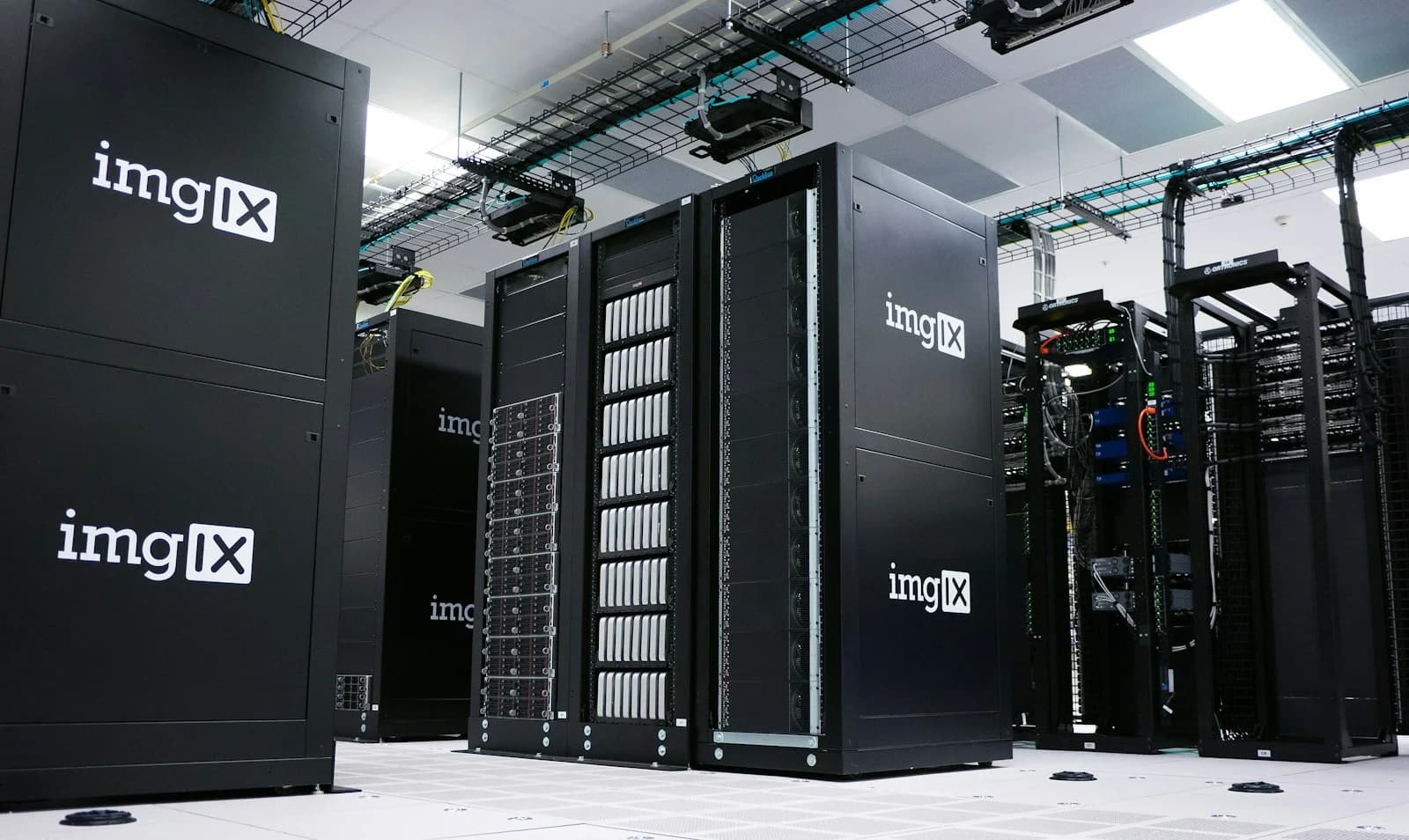
Server racks inside a data centre

When this is the right fit

Does this sound familiar?

01Releases are slow, manual, risky, or dependent on a few people.

02Cloud cost is growing without clear ownership or service context.

03Incidents are difficult to diagnose and recovery has not been tested.

04A migration, new product, or regional expansion needs a secure scalable foundation.

Cloud, DevOps, and platform services

Infrastructure that improves delivery speed and operational confidence.

We design, migrate, automate, observe, secure, and operate cloud platforms so product teams can release safely and the business can scale without hidden instability.

01

Cloud strategy and architecture

Choose an architecture that fits risk, workload, and growth.

Cloud assessment and roadmap

We review workloads, dependencies, cost, resilience, security, licensing, skills, and business constraints before recommending change.

Landing zones and architecture

Accounts, networks, identity, environments, policies, logging, and shared services create a governed foundation.

Migration and modernization

We sequence rehosting, replatforming, refactoring, data movement, testing, cutover, and rollback to limit disruption.

02

DevOps and platform engineering

Make reliable delivery the default path.

Continuous delivery

Automated build, test, security checks, approvals, deployment, and rollback shorten release cycles while protecting quality.

Infrastructure as code

Versioned, reviewed environments reduce manual drift, speed recovery, and make change easier to audit.

Developer platforms

Reusable templates, environments, secrets, service catalogs, and guardrails reduce cognitive load for delivery teams.

03

Reliability, cost, and operations

Keep services visible, resilient, and economically controlled.

Observability and SRE practices

Metrics, logs, traces, service objectives, alerting, runbooks, and incident learning focus attention on user impact.

Resilience and disaster recovery

Backups, recovery objectives, redundancy, capacity plans, and tested exercises prepare critical services for failure.

FinOps and managed support

Allocation, budgets, utilization, commitments, rightsizing, service reviews, and support reduce waste and operational surprises.

What we deliver

What your team will have in place.

Cloud architecture and roadmap

Workload assessment, target architecture, landing zone, migration waves, security, resilience, operating model, and cost case.

Automated delivery platform

Infrastructure as code, build and deployment pipelines, testing, policy checks, environments, secrets, and rollback.

Reliability and observability

Service objectives, metrics, logs, traces, alerting, runbooks, capacity, backup, recovery, and incident learning.

FinOps and managed operations

Allocation, budgets, rightsizing, commitments, service reviews, support procedures, documentation, and knowledge transfer.

Where this creates value

Practical use cases tied to the way your business operates.

01

Cloud foundation and controlled migration

Business context

Workloads are moving to cloud without consistent landing zones, security, cost ownership, backup, or operating standards.

What we can implement

Design accounts and subscriptions, networks, identity, policies, observability, recovery, and phased workload migration.

Business benefit

A scalable cloud foundation with clearer control over risk, reliability, and spend.

02

Software delivery and platform engineering

Business context

Releases are manual, environments drift, defects reach production, and developers wait for infrastructure or approvals.

What we can implement

Implement automated pipelines, infrastructure as code, testing gates, reusable platform patterns, secrets management, and safe deployment strategies.

Business benefit

Shorter, more repeatable release cycles and less operational friction for product teams.

03

Reliability, observability, and FinOps

Business context

Teams learn about incidents from users, cannot trace system behavior, or see cloud costs only after the bill arrives.

What we can implement

Define service objectives, metrics, logs, traces, alerts, incident routines, capacity views, budgets, and cost allocation.

Business benefit

More dependable services, faster diagnosis, and technology spend connected to actual usage and value.

What a strong platform changes

Teams move faster because the safe path is the easy path.

Automation, standards, visibility, and ownership improve release frequency and reliability while controlling operational cost.

01

Architecture follows workload needs

Availability, latency, data, compliance, skills, and economics drive choices rather than a predetermined vendor pattern.

02

Security and reliability are encoded

Infrastructure, deployment, policy, monitoring, and recovery practices become repeatable controls instead of manual memory.

03

Operational health is visible

Service objectives and useful telemetry connect technical conditions to user experience and business impact.

04

Cost has owners and context

Teams can see what drives spend, connect it to services and customers, and make informed performance-versus-cost decisions.

How the engagement works

Decisions stay close to the work.

Representative scenario

Illustrative example, not a published client claim.

A digital platform preparing for regional scale

Situation

Deployments require manual coordination, environments drift, outages take too long to diagnose, and cloud cost rises as the customer base grows.

Designed system

A governed landing zone, infrastructure as code, automated delivery, observability, service objectives, tested recovery, and cost ownership establish a shared platform.

Potential value

Product teams release with less risk, operations diagnose issues faster, and management can connect reliability and cost to growth.

Explore more representative work

What you leave with

Useful change your team can own.

Faster and more repeatable releases

Higher service visibility and recovery readiness

Stronger cloud security and configuration control

Cost decisions tied to services and business value

Questions worth asking

Before we start.

Do you work with one cloud provider?

We design around your workloads, existing commitments, compliance, skills, geography, and economics. The right answer may be one cloud, hybrid, or a deliberately limited multi-cloud model.

Can you migrate without major downtime?

We plan dependencies, data movement, parallel validation, cutover, rollback, and communication around the acceptable outage and risk for each service.

What does managed support include?

It can include monitoring, incident coordination, platform maintenance, backup checks, security updates, capacity and cost reviews, and improvement planning under agreed service levels.

How does this benefit the business?

It shortens release cycles, reduces manual failure and downtime, improves recovery and security, gives cost visibility, and creates a foundation for new products and markets.

A useful first conversation

Tell us what needs to change.

We will help frame the problem, test the fit, and identify the most useful next move.

Discuss your project